
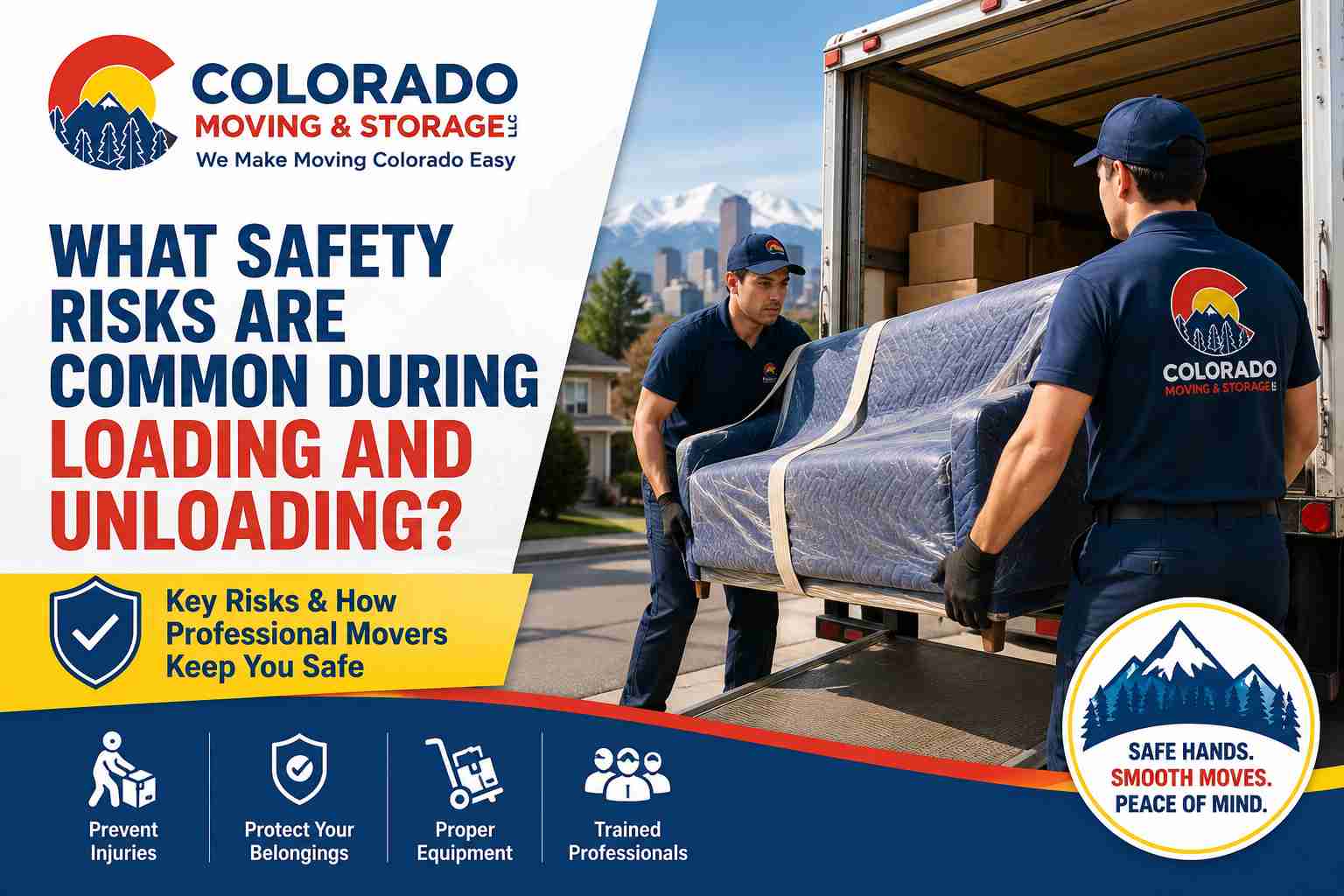
Loading and unloading are the most physically demanding parts of any move. Heavy boxes, bulky furniture, and awkward staircases put constant strain on the body, and even a short-distance move can turn into a safety hazard within minutes.
Poor lifting techniques, rushed work, and lack of planning are the leading causes of injuries and property damage during a move. A dropped dresser can scratch a hardwood floor, and one wrong twist while carrying a box can lead to a pulled muscle that lasts for weeks.
This is exactly where professional loading and unloading services make the biggest difference. Trained crews know how to handle weight, navigate tight spaces, and protect both people and belongings from the moment the truck is parked to the final item carried inside.
Why Loading and Unloading Is the Highest Risk Stage of Any Move

Physical Demands of Moving Heavy Items
Lifting, carrying, and repositioning heavy items for hours at a time places significant stress on the back, knees, and shoulders.
Fatigue builds quickly, and tired muscles are far more likely to slip, buckle, or lose control of a heavy load.
Why Proper Planning Makes a Difference
A move without a clear plan often turns into a rushed scramble, with people lifting items they are not prepared for.
Mapping out the truck layout, clearing pathways, and assigning tasks before lifting begins reduces confusion and prevents last-minute mistakes.
How Professional Movers Reduce Moving Risks
Experienced professional movers are trained in proper lifting form, team coordination, and equipment use, which lowers the chance of injury and damage during the most demanding stage of the move.
Common Safety Risks During Loading and Unloading
Back and Muscle Strains from Improper Lifting
Back and muscle strains are among the most frequent injuries during a move, and they usually come down to poor technique under a heavy load.
- Incorrect lifting posture, such as bending from the waist instead of the knees
- Twisting while carrying an item instead of turning the entire body
- Overloading weight by carrying more than one person can safely manage
Slips, Trips, and Falls
Moving day often means navigating unfamiliar or cluttered paths while carrying something bulky, which raises the risk of a fall.
- Wet surfaces from rain, snow, or spilled liquids
- Loose rugs that shift underfoot
- Cluttered walkways filled with boxes or cords
- Uneven driveways or cracked sidewalks
Furniture Damage During Transport
Even a careful move can result in furniture damage if items are not handled or secured correctly.
- Scratches from dragging furniture across floors or door frames
- Broken legs on tables, chairs, and dressers
- Torn upholstery from sharp corners or tight doorways
- Wall damage from bumping large items through hallways
This is why professional moving assistance often includes padding, wrapping, and securing furniture before it is ever lifted.
Dropping Heavy Appliances and Furniture
Some items carry a higher risk simply because of their size and weight.
- Refrigerators, which are heavy and awkward to grip
- Safes, which require specialized lifting equipment
- Pianos, which demand precise coordination and balance
- Sectional sofas, which are bulky and difficult to maneuver through doorways
Correct heavy item handling is essential for these items, since a drop can cause serious injury or destroy the item entirely.
Stair Navigation Challenges
Multi-story homes and apartments add another layer of risk to loading and unloading.
- Tight corners that force awkward angles while carrying furniture
- Narrow staircases that limit visibility and grip
- Multi-story homes that require repeated trips up and down
- Loss of balance when weight shifts unexpectedly on steps
Safe stair navigation requires clear communication between movers and, in many cases, specialized straps to keep weight distributed evenly.
Finger, Hand, and Foot Injuries
Small injuries happen just as often as major ones, especially when protective gear is skipped.
- Pinched fingers between furniture and door frames
- Crushed toes from dropped boxes or furniture legs
- Lack of protective gloves during repeated lifting
- Improper footwear that offers no grip or ankle support
How Professional Loading and Unloading Services Improve Safety
Proper Equipment for Heavy Lifting
The right equipment removes much of the risk that comes with manual lifting.
- Dollies for moving multiple boxes at once
- Furniture sliders for shifting heavy pieces across floors
- Hand trucks for appliances and stacked items
- Moving straps for balanced, shared weight distribution
- Ramps for safely loading a truck without lifting items overhead
Experienced Moving Labor Prevents Accidents
Skilled moving labor means every lift is planned, not improvised. Crews communicate before moving heavy items, which is one of the simplest ways professional movers prevent accidents on moving day.
Safe Truck Loading Techniques
How a truck is loaded affects safety long after the crew leaves the driveway.
- Weight distribution to keep the truck balanced on the road
- Securing furniture with straps and blankets to prevent shifting
- Preventing shifting during transport that could cause items to fall when the doors open
Safety Tips Before Loading Begins
Clear Walkways
Remove boxes, cords, toys, and other obstacles from hallways and doorways before the crew arrives.
Pack Boxes Correctly
Use sturdy boxes, avoid overpacking, and keep the heaviest items on the bottom to prevent tipping.
Label Heavy Boxes
Clear labeling lets movers prepare for weight before they lift, which reduces the chance of an awkward or unbalanced carry.
Wear Proper Clothing and Footwear
Closed-toe shoes with good grip and comfortable, non-restrictive clothing lower the risk of slips and strains.
Lift With Your Legs Instead of Your Back
Bending at the knees and keeping the back straight protects the spine during every lift, no matter how light the item feels.
Mistakes People Make When Moving Without Professional Help
DIY moves often run into the same avoidable problems.
- Trying to lift oversized furniture alone
- Using the wrong equipment, or none at all
- Rushing the move to save time
- Overloading boxes past a safe carrying weight
- Ignoring weather conditions like rain, ice, or extreme heat
- Poor communication between people carrying the same item
These mistakes are a major reason homeowners and businesses turn to established relocation services instead of handling a move on their own. Working with a trained crew supports better relocation safety from the first box to the last piece of furniture.
When Should You Hire Professional Loading and Unloading Services?
Some moves carry enough risk that professional help is worth the investment.
- Long-distance moves, where items are handled multiple times
- Office relocations, which involve equipment and tight timelines
- Senior moves, where safety and care are top priorities
- Apartment moves, which often involve stairs and narrow hallways
- Heavy furniture moves, including pianos and safes
- Storage unit loading, which requires careful stacking and space planning
In each of these situations, reliable moving assistance from professional movers reduces the physical and financial risk of doing it alone.
Why Colorado Residents Trust Professional Movers for Safe Relocation
Local experience matters when it comes to moving safely through Colorado’s neighborhoods, driveways, and multi-story homes.
- Local moving experience with the layouts and conditions found across the Denver area
- Safe handling practices built around trained lifting and carrying techniques
- Efficient moving process that keeps loading and unloading on schedule
- Reduced risk of injury for both the moving crew and the household
- Protection of valuable belongings through proper equipment and packing
Colorado Moving & Storage LLC brings this kind of experience to every job, helping homeowners and businesses across the state move without unnecessary risk.
Frequently Asked Questions
How can loading and unloading services help prevent injuries?
Professional crews use proper lifting techniques, team coordination, and the right equipment, which significantly lowers the risk of strains, drops, and falls compared to moving alone.
What equipment do professional movers use for heavy lifting?
Movers typically rely on dollies, furniture sliders, hand trucks, moving straps, and ramps to move heavy items safely and efficiently.
Can movers safely handle large furniture on stairs?
Yes. Trained crews use clear communication, proper straps, and controlled pacing to move large furniture through tight corners and narrow staircases without losing balance.
What causes the most damage to furniture during a move?
Most furniture damage comes from dragging items across floors, forcing pieces through narrow doorways, or failing to pad and secure furniture before transport.
Is hiring moving labor safer than moving by yourself?
In most cases, yes. Professional moving labor is trained in lifting techniques and equipment use, which reduces the risk of injury and damage that come with a DIY move.
Conclusion
Loading and unloading carry the highest risk of injury and property damage during any move. Back strains, slips, dropped appliances, and stair accidents can turn a routine moving day into a costly setback.
Careful planning, the right equipment, and trained professionals make the difference between a stressful move and a safe one. Choosing experienced loading and unloading services gives homeowners, renters, and businesses across Denver a smoother, safer way to move, with less risk to both people and belongings.